


Europeans Call for Elderly Euthanasia
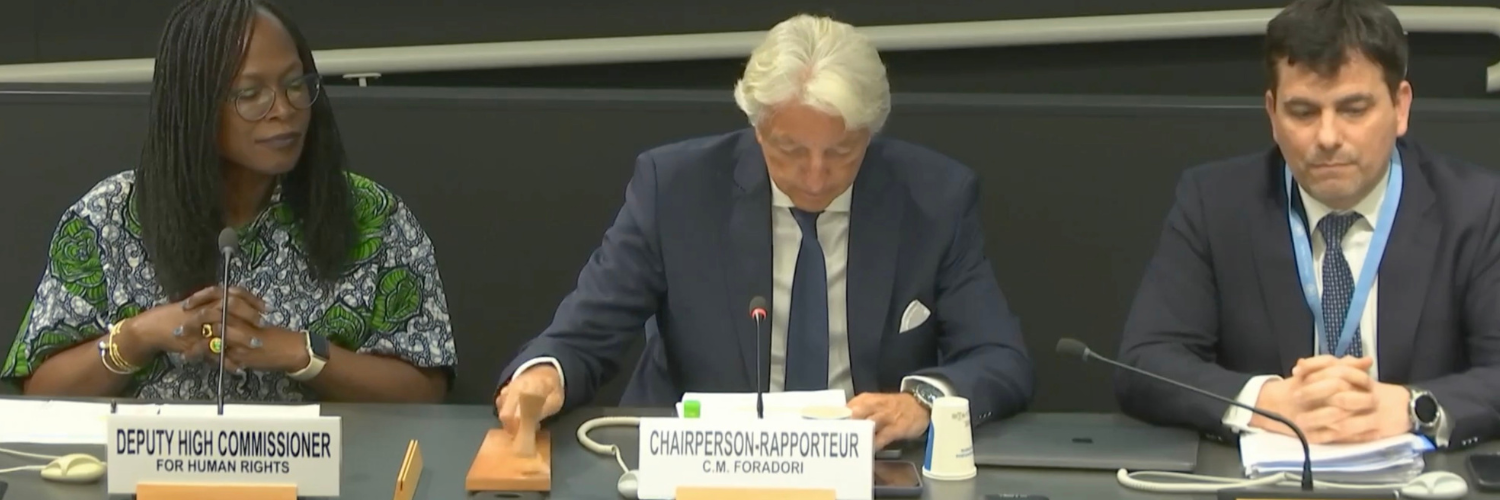
UNITED NATIONS, July 31 (C-Fam) EU-backed groups promoted an international right to assisted suicide and government-sanctioned euthanasia programs in negotiations of a new legally binding UN treaty on the rights of older persons last week.
The Intergovernmental Working Group on the Human Rights of Older Persons, tasked with drafting the new treaty, held the first consultation on the content and scope of the treaty last week. While most governments focused on protections against age discrimination and neglect, non-governmental groups funded by the European Union called for the treaty to include controversial obligations related to “sexual and reproductive rights,” DEI, gender ideology, and even the “right to die with dignity.”
The EU-funded non-governmental organization AGE Platform Europe criticized the fact that assisted suicide is usually seen as a “taboo” subject. They called for more “open discussion” and the incorporation of research conducted by the World Health Organization.
The Americas National Human Rights Institution (NHRI) Network, representing a range of human rights institutions, also funded by the European Union and the UN system, called for the treaty to include “reproductive rights” and “the right to die with dignity.” They also said the treaty should adopt an “intersectional approach.” This approach integrates woke gender and DEI priorities across all policy areas.
The negotiations are taking place against the background of highly charged political debates in several countries. France recently legalized euthanasia and has been heavily criticized for not adopting sufficient safeguards for disabled, elderly, or mentally impaired individuals. The Labour government in the United Kingdom tried to pass a euthanasia law last year, but it stalled after disability advocates raised concerns. At the same time, countries where euthanasia is already legal, including Canada, Belgium, Spain and the Netherlands, are increasingly coming under fire for allowing assisted suicide for children, the elderly, and disabled persons, and persons only diagnosed with depression.
The World Health Organization does not oppose assisted suicide. It quietly accepts it without actively promoting it. WHO promotes the notion of “death with dignity” instead. Even though it is the same term used by euthanasia advocates, WHO says “death with dignity” refers to palliative care to help manage pain in all contexts regardless of the legal status of euthanasia.
Some disability rights groups are not aware of the dangers of including ambiguous “death with dignity” provisions in the new treaty. Others assume that the treaty will allow euthanasia in some form as part of the “death with dignity” provision, much like the WHO approach.
“Where medical assistance in dying exists, eligibility must rest on the fact that the person is dying, never on disability or old age,” Inclusion Canada said. However, while claiming to protect those with disabilities or mental illness, they also said: “no advance document may authorize ending a person’s life without contemporaneous consent.” In other words, with consent, care, and support, older people can readily consider death as an option.
The new treaty has been discussed as a possibility for close to two decades. Disability groups support the treaty to add further safeguards against ageism, exclusion, and discrimination in international law. They say the treaty must treat older persons as full rights holders rather than passive recipients of care.
The Intergovernmental Working Group on the Human Rights of Older Persons will continue to hold consultations for the next two years. The working group is expected to provide an initial draft of the treaty by the end of the consultations.
View online at: https://c-fam.org/friday_fax/eu-surrogates-call-for-right-to-euthanasia-in-new-treaty/
© 2026 C-Fam (Center for Family & Human Rights).
Permission granted for unlimited use. Credit required.
www.c-fam.org