

Denmark Forcibly Sterilized Greenlandic Women
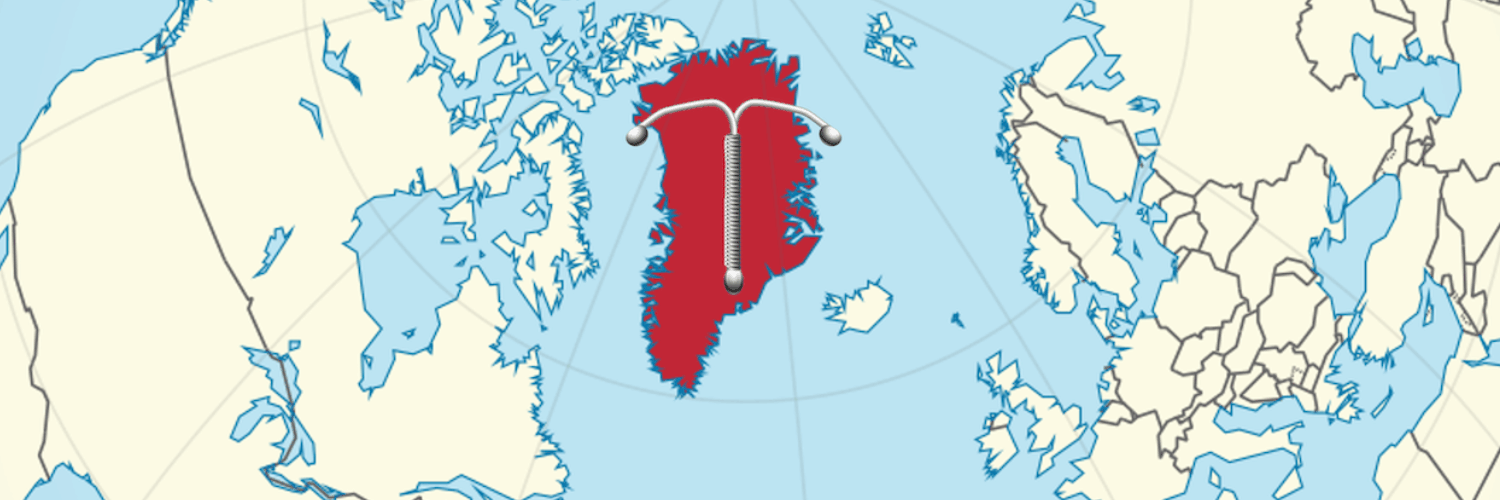
WASHINGTON, D.C. January 23 (C-Fam) Denmark has long advocated for contraception and abortion as ways to empower women. In their own territories, however, Denmark has used contraceptives to abuse and disempower women and girls.
Even as President Donald Trump continues to talk about the U.S. acquiring Greenland, which is controlled by Denmark, many women living there have shared their stories about being forcibly sterilized by Danish health authorities as part of a multi-decade population control program.
A report was published last September documenting the stories of over 350 women and girls who were given hormonal contraceptive injections or had intrauterine devices (IUDs) inserted without their consent—and in some cases, even without their knowledge.
In addition to the resulting loss of fertility, many women also suffered physical side effects from the IUDs. Amarok Petersen discovered the device had been inserted when she was only thirteen, after seeking medical help for severe uterine problems. Her continuing pain led to multiple surgeries, including the removal of her fallopian tubes, also without her consent.
Petersen told the New York Post that Denmark “wanted us smaller” and “easier to manage.”
The cases range from the 1960s to after Greenland took control of its own health services in 1991. In advance of the report’s release, the prime ministers of Denmark and Greenland jointly apologized on behalf of their governments.
Late last year, Greenlandic victims of the forced sterilization program won a lawsuit against the Danish government, entitling them to monetary compensation.
With the other Nordic countries, Denmark has positioned itself as a world leader in promoting abortion, contraception, gender ideology, and comprehensive sexuality education under the umbrella term “sexual and reproductive health and rights” (SRHR).
However, the forced sterilizations of Greenlandic women are not the only instance of recent eugenic policies and practices in Denmark. In 2024, the UN Committee on the Rights of Persons with Disabilities pointed out that Denmark’s laws allow for “sterilization, contraception and abortion in the case of women and girls with disabilities under guardianship without their personal consent” and urged its government to prohibit these practices.
Like its fellow Nordic country, Iceland, Denmark also has an extremely high rate of selective abortions when the unborn child is diagnosed with Down syndrome—around 98-99 percent. This is despite the fact that Denmark has socialized medicine and generous disability benefits.
Last year, Denmark raised the legal limit for abortion from twelve to eighteen weeks, but continues to allow abortions even beyond that limit in cases of a fetal diagnosis of illness or a genetic condition like Down syndrome.
Danish Prime Minister Mette Frederiksen wrote on Facebook that “while others are taking a step backwards, we are taking an important step forward.”
Meanwhile, Denmark continues to exert pressure on other countries to liberalize their abortion laws, including at the Universal Periodic Review, where governments give each other recommendations to improve their human rights records. Since 2022, Denmark has urged several countries to legalize and decriminalize abortion. In its recommendations to Costa Rica, Côte d’Ivoire, and the Democratic Republic of the Congo, Denmark called for legalization specifically in cases of diagnosed fetal impairment.
View online at: https://c-fam.org/friday_fax/denmark-forcibly-sterilized-greenlandic-women/
© 2026 C-Fam (Center for Family & Human Rights).
Permission granted for unlimited use. Credit required.
www.c-fam.org