


Amnesty Int’l Apologizes for Anti-Rights Report
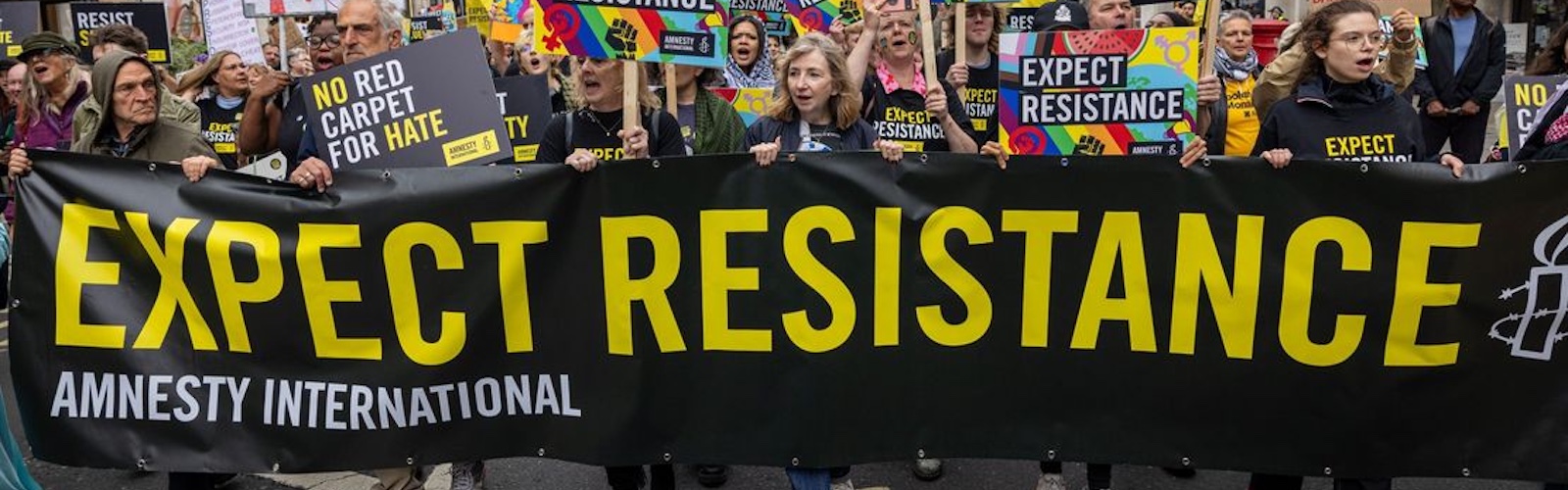
WASHINGTON. D.C., August 7 (C-Fam) Amnesty International UK continues to grapple with the fallout of its hastily withdrawn report smearing a collection of women’s rights, pro-life, and pro-family organizations as “anti-rights.”
Faced with the threat of lawsuits, the embattled organization permanently removed the report from its website shortly after publishing it. It has since admitted to the Scottish Herald that it is undertaking an “ongoing investigation” into potential errors, calling it a “serious” matter.
Amnesty subsequently issued an apology for the report and said “the report should never have been published.”
“Harry Potter” author J.K. Rowling had offered to fund legal action against Amnesty UK after her charity for women was among those targeted in the report, along with other organizations advocating for women’s rights based on biological sex.
A group of UK parliamentarians introduced a motion expressing “extreme concern” about Amnesty’s report.
A group of Christian organizations also labeled as “anti-rights” for their pro-life and pro-family advocacy have issued a letter to the UK Charity Commission accusing Amnesty of “sweeping generalizations, allegations, and inaccuracies.”
The Charity Commission announced it had “opened a regulatory compliance case to further assess concerns raised with us about a briefing published by Amnesty International UK Charitable Trust.”
Amnesty’s spokesperson said they are “aware of this letter and are engaging constructively with the process.”
The deleted report was not dissimilar from many other reports and communications from Amnesty UK, including one published in May on similar themes, which remains on its website. The critical difference, and the source of the current controversy, is the fact that Amnesty chose to name names. The fact that their list of accused “anti-rights” organizations included mainstream advocates for life, the family, and women-only spaces, as well as Rowling’s charity for victims of sexual violence, showed how far Amnesty has strayed from its mission.
Amnesty was founded in 1961 to advocate for political prisoners. One of its cofounders, Seán MacBride, was an Irish Catholic who supported Ireland’s constitutional protections for the unborn. His granddaughter, Iseult White, recently said she would not donate a penny to the organization now.
“I really am horrified by what they have done in Ireland and in the UK,” said White. “How can you trust what they say now? The damage they have done to their reputation is enormous.”
Another group targeted in the report, the gender-critical policy analysis group Murray Blackburn Mackenzie (MBM), has carefully documented the timeline of Amnesty’s publications—and subsequent backpedaling.
Noting Amnesty’s track record, MBM notes that their “greatest difficulty in trying to pass this off as an isolated system failure…is the strength of the counter-evidence to that, on its own site and elsewhere.”
Meanwhile, transgender activists on social media have heavily criticized Amnesty for capitulating to the backlash.
Writing in The Critic, in her article “Amnesty Irrational,” Victoria Smith notes that Amnesty’s position is not new, even if the calls for accountability are. “After more than a decade of being able to distort what your opponents believe, smear them as hate-filled bigots and claim the moral high ground for doing so, why would you expect it to end?”
View online at: https://c-fam.org/friday_fax/amnesty-intl-apologizes-for-anti-rights-report/
© 2026 C-Fam (Center for Family & Human Rights).
Permission granted for unlimited use. Credit required.
www.c-fam.org