

U.S. Dismantles DEI in Foreign Service

 By Diana L. Banister | 2026
UNITED NATIONS, August 21 (C-Fam) Last week the U.S. State Department announced it was ending “diversity, equity and inclusion” (DEI) programs and training for Foreign Service Officers and diplomats who represent the United States and replacing it with “merit, rigor and accountability.”
Required reading materials for diplomats have been banned including “White Fragility and the Rules of Engagement” a book that refers to the defensive behaviors of white people around other ethnicities that prevents meaningful dialogue; “How White Women Tears Oppress People of Color” that explores how white women benefit from “white privilege” through their interactions with women of other races; “In Defense of Looting” and “The Case for Reparations.”
“DEI objectives and materials shamefully denigrated the United States, derided Americans of certain backgrounds and distracted from legitimate foreign policy objectives that serve the American people,” the State Dept. announcement stated. These and other texts “promoted division among America’s diplomats, insulted the American people and damaged mission effectiveness.”
In working with high-level government officials in other countries, Foreign Service Officers were required to meet DEI metrics and demonstrate “allyship,” a term referring to social justice activism in which those with personal power and privilege work to advance and uplift the interests of marginalized groups.
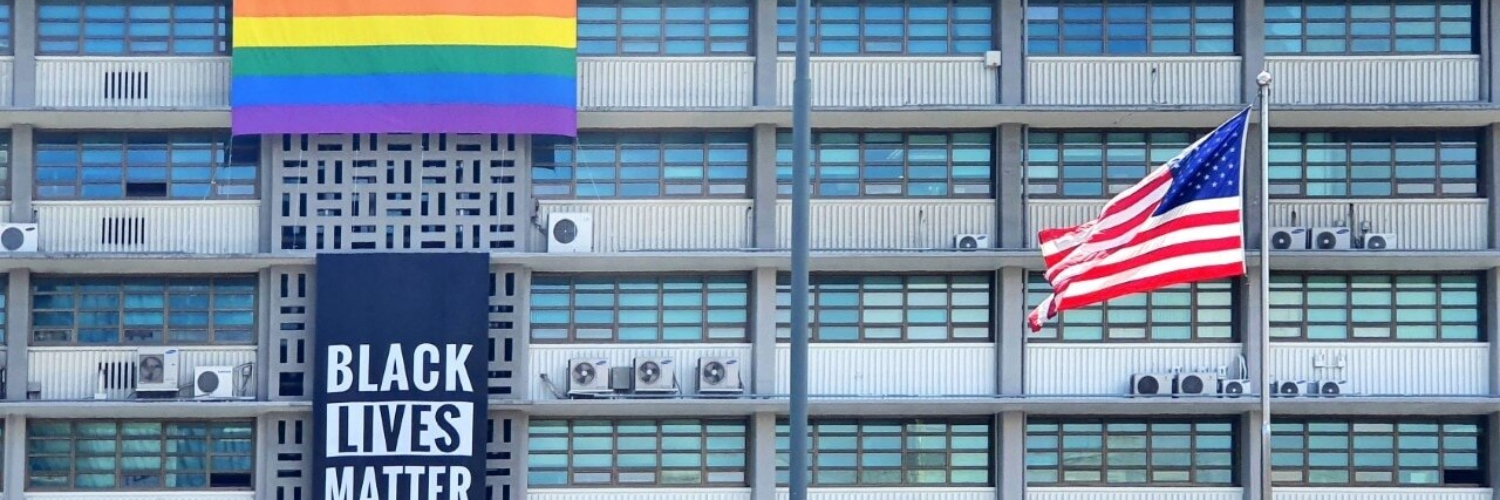
This was particularly evident in foreign aid humanitarian divisions of the State Department that focused on trainings in “white privilege” and “systemic racism,” including integrating “Black Lives Matter” terminology and reading pamphlets like “How to be Anti-Racist in Humanitarian Aid.”
The United States government began to make radical social policy central to its foreign policy during the Obama Administration, particularly promoting the LGBTQ ideology. The Biden Administration expanded these criteria for Foreign Service officers to promote “Diversity, Equity, Inclusion and Accessibility,” defined as social inclusion, racial and gender equity, disability, and LGBTQI+ issues to international counterparts.
“We made the change that if you wanted to be considered for promotion at the Department of State, you must be able to document what you are doing to support diversity, equity and inclusion and accessibility. This is how you are judged for promotion,” said Gina Abercrombie-Winstanley, who served as President Biden’s Chief Diversity and Inclusion Officer, the first at the State Department.
Pointing to these social programs, then candidate Donald Trump campaigned in 2024 on removing DEI ideology from government policies and programs. Shortly after taking office in 2025, Trump signed a memorandum titled “Removing Discrimination and Discriminatory Equity Ideology From the Foreign Service,” vowing to restore the “values of individual dignity, hard work, and excellence.”
Under Biden’s policies, Foreign Service Officers and other State Department employees were instructed to practice “microaffirmations,” gestures of inclusion and caring to mitigate their “unconscious bias” and “microaggressions,” verbal or non-verbal actions that convey disdain or snubs to those in marginalized groups.
DEI instruction was added to Foreign Service orientation and a full day of DEI training was added to a public diplomacy course.
Foreign Service course instructors received learning materials that included a pamphlet promoting “International Pronoun Day” and included “non-binary pronouns” into course materials. State Department employees were encouraged to add their personal pronouns to e-mail signatures.
In November 2025, the State Department announced that nearly 300 Foreign Service Officers had been denied promotion opportunities under the prior system but would be restored with demonstrated loyalty to their country by “zealously executing U.S. government policy.”
“The State Department is implementing sweeping reforms to the Foreign Service to prioritize merit, refocus training on tangible diplomatic skills, and prepare our nation’s diplomats to deliver America’s answer to our most pressing challenges,” said State Department spokesperson Tommy Pigott.
View online at: https://c-fam.org/friday_fax/u-s-dismantles-dei-in-foreign-service/
© 2026 C-Fam (Center for Family & Human Rights).
Permission granted for unlimited use. Credit required.
www.c-fam.org