

Big LGBT Loss at Human Rights Council
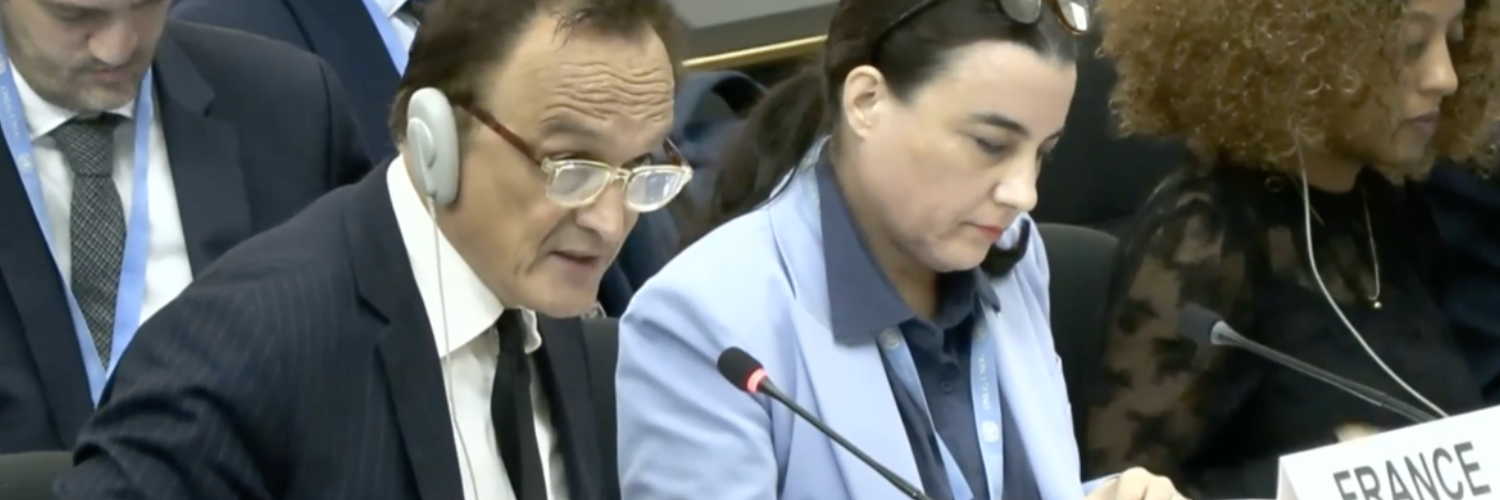
UNITED NATIONS, October 9 (C-Fam) France withdrew a resolution calling on all nations to decriminalize homosexual acts after criticism not only from both Islamic nations but also homosexual/trans groups.
France proposed the resolution late in the session of the Human Rights Council that concluded this week in Geneva. The resolution stated that “criminalization of consensual same-sex conduct between adults is contrary to the principles of international human rights law” and encouraged nations to “review laws criminalizing consensual same-sex conduct between adults with a view to their repeal in accordance with their constitutional and legal processes.”
France withdrew the resolution on Wednesday, the last day of the council session, and delivered a joint statement in favor of decriminalizing homosexual acts on behalf of 52 nations instead.
“France saw it might lose and withdrew,” according to a diplomat from the group of Islamic states who was familiar with the debates. Losing a vote would have been counterproductive. Winning the vote by only a tight margin would have proven how little support there is for claims that international law protects homosexual conduct.
Islamic countries opposed the resolution on grounds that homosexual relations were not addressed anywhere in international human rights law. They also complained that they were not given adequate time or opportunity to negotiate the resolution.
The delegate said the Organization for Islamic Cooperation was ready to have a full-fledged procedural battle. It had tabled amendments and prepared motions, including a motion to block consideration of the resolution altogether. He also said their motions had support well beyond the group of Islamic states. “Whatever one’s view on substance, this was an abuse of the Council’s mandate. It cannot impose legislative agendas or dictate changes to national criminal justice systems,” the delegate said.
Delegations from progressive countries and homosexual/trans groups also told the government of France that the proposal was a mistake.
The disagreement between the allies spilled over in public view in a harsh letter to Emmanuel Macron from leading UN homosexual/trans groups Outright International and the International Service for Human Rights, that was joined by over 140 LGBTQI+ groups. In the letter, they complained to the French President of not being consulted about the initiative and accused France of endangering the lives of homosexual and transgender people across the world who would face reprisals “as a consequence of international advocacy.”
The tone of the letter was especially harsh on this. The groups said any backlash would be borne “not by diplomats in Geneva and politicians in France, but by local activists and communities.” Rather than a high-profile resolution that might be portrayed as a top-down imposition, the groups called on France to continue to give money and political support to homosexual/ trans groups around the world with a view to convince traditional countries that legal prohibitions on homosexuality are a “colonial legacy.”
The withdrawal of the resolution reflects a broader trend that shows waning support for international homosexual/trans rights campaigns. For the first time, last year the General Assembly voted to delete language about “sexual orientation and gender identity.”
The delegations that joined the French-led statement were fewer than the last time France offered a joint statement on this issue in 2008. France led a joint declaration about decriminalizing homosexual relations in the General Assembly by 67 delegations. On Wednesday, fifteen fewer delegations joined the French statement.
View online at: https://c-fam.org/friday_fax/big-lgbt-loss-at-human-rights-council/
© 2026 C-Fam (Center for Family & Human Rights).
Permission granted for unlimited use. Credit required.
www.c-fam.org