

Iceland Loves Abortion/Gender
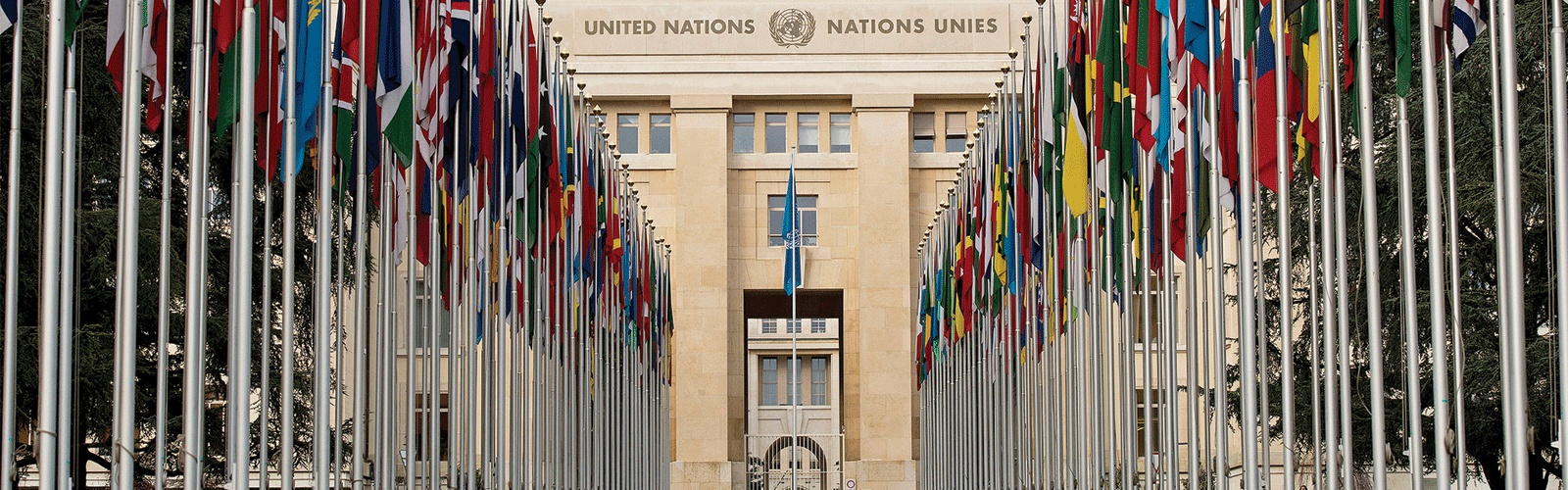
WASHINGTON, D.C., October 2 (C-Fam) Iceland continues to be, by far, the most aggressive proponent of abortion and gender ideology at the UN’s Universal Periodic Review (UPR), a mechanism where national governments review each other’s human rights records every couple of years.
In the most recent session of the UPR in Geneva, fourteen countries submitted national reports and received recommendations from their fellow governments on a wide variety of human rights issues. A total of nearly 3,900 recommendations were made in the session.
While the overwhelming majority of these recommendations did not touch on controversial social issues, such as abortion, sexual orientation and gender identity, or the promotion of comprehensive sexuality education, a relatively small cluster of countries have made these controversial issues a priority. And even among this group, Iceland is the extreme outlier.
Iceland alone issued more than twenty percent of the 124 recommendations pertaining to sexual orientation and gender identity. Over sixty percent of the recommendations on abortion came from tiny abortion-crazy Iceland.
The governments Iceland criticized kind of gave Iceland the back of their hand by “noting” the criticism rather than “supporting” the criticism.
Not every mention of abortion included pressure to increase abortions. Costa Rica called upon Denmark to protect girls with disabilities from being forced to have abortions and sterilizations.
The country that received the most pressure on sexual orientation and gender identity was Namibia, criticized by Malta, Belgium, Finland, Mexico, Iceland, Spain, the United Kingdom, Germany, Switzerland, Australia, Canada, Brazil, and the Netherlands to adopt explicit legal categories of non-discrimination based on these characteristics. Other recommendations to Namibia included decriminalizing homosexual behavior (which had already been done by a 2024 court ruling) and legalize same-sex marriage.
Most of the pressure on these controversial issues comes from Western European countries and their geopolitical allies including Canada, Australia, and New Zealand, as well as a few in Latin America and Eastern Europe. However, Western European countries are not exempt from receiving pressure themselves: Iceland told Belgium to guarantee gender-affirming care and comprehensive sexuality education in and out of school settings and eliminate waiting periods for abortions. Malta told Denmark to ban “so-called gay conversion practices.”
Another African country reviewed was Sierra Leone, which has been in the midst of a debate over a controversial “safe motherhood and reproductive health” bill that would expand the grounds for legal abortion. Sierra Leone did not receive any explicit recommendations to liberalize its abortion laws, although Uruguay did call for the adoption of the specific piece of legislation.
The relatively low level of pressure directed at Sierra Leone, in contrast to other African countries reviewed in this cycle, may reflect a realization that aggressive pressure from mainly-Western countries in a mechanism like the UPR risks generating backlash and accusations of colonialism. Even Iceland limited itself to the relatively tame “ensure universal access to sexual and reproductive health services”—while also urging Sierra Leone to decriminalize homosexuality and adopt anti-discrimination legislation on the basis of sexual orientation and gender identity.
The countries that were reviewed are submitting their responses to the recommendations they received, and the final outcomes of the review will be officially adopted by the Human Rights Council in the coming weeks.
View online at: https://c-fam.org/friday_fax/iceland-loves-abortion-gender/
© 2026 C-Fam (Center for Family & Human Rights).
Permission granted for unlimited use. Credit required.
www.c-fam.org