

Left Protest U.S. Human Rights Boycott
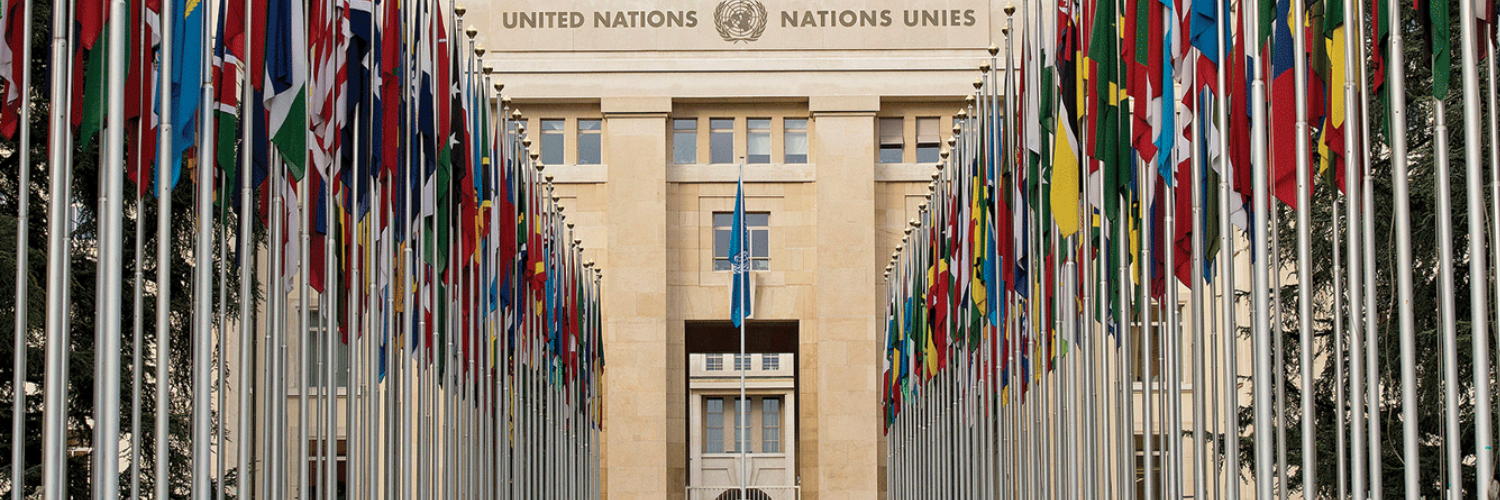
WASHINGTON, D.C. November 20 (C-Fam) In recent weeks, the U.S. government drew strong criticism from progressive organizations when it refused to turn up for its session of the Universal Periodic Review (UPR) in Geneva, where governments review each other’s human rights records and make recommendations.
The pushback came from left-wing organizations like the American Civil Liberties Union, as well as multiple abortion groups including Ipas, the Global Justice Center, and the Guttmacher Institute, as well as groups focusing on LGBTQ+ issues.
Amnesty International USA called the boycott “shameful” and “an attempt to avoid scrutiny of human rights violations.” This scrutiny would be undertaken by other UN member governments, including Cuba, which expressed particular disappointment at being denied the chance to express its grievances.
“This country believes it is better than others, but at the same time claims to be a judge on other countries’ human rights records,” said the Cuban ambassador to the Human Rights Council.
If the U.S. has been critical of other countries’ records on human rights, it has occurred outside the UPR process. The U.S.’s disengagement from the UPR began the day President Donald Trump took office for his second term in January 2025. From that point on, the U.S. has not participated in any other country’s review, nor submitted its own country report in advance of its scheduled review in fall 2025. After that deadline passed, the Human Rights Council rescheduled the review of the U.S. until the November 2026, which has now come and gone.
Geneva Solutions published a roundup of leftist U.S.-based NGOs and governments denouncing the U.S.’s absence from the UPR. “For the second year in a row, the United States has snubbed a UN flagship human rights review – the only country to do so since the Human Rights Council was created 20 years ago.”
This is misleading: both Myanmar and Nicaragua have been disengaged from the UPR for longer than the U.S. and remain so. Nicaragua participated in its own review in 2024, but then withdrew, refusing to respond to recommendations or attend the adoption of its final report. Myanmar’s last review was in 2021, just before a military coup, and the country is in the midst of a credentialing dispute with the UN General Assembly regarding who legitimately represents it.
Critics of the U.S. boycott of the UPR accuse the Trump administration of attempting to bypass international scrutiny over a variety of issues including immigration enforcement and the Israel-Palestine conflict.
The U.S. has characterized its withdrawal as a refusal to endorse the “mandate and activities” of the Human Rights Council, within which the UPR operates. The U.S has a long history of criticizing the council for being anti-America and anti-Israel and for refusing to condemn egregious human rights abusers, even allowing them to serve as members.
During the first Trump administration, the U.S. withdrew from the Human Rights Council, while still participating in the UPR process. In Trump’s second term, the withdrawal has been complete.
The delegate of the Netherlands expressed concern that the legitimacy of the UPR suffers by the U.S.’s absence: “Preserving [its] universality is essential to safeguarding the UPR’s credibility and impact.”
A spokesperson from the U.S. Department of State responded to critics by arguing that its parent council has already lost credibility: “United States will not be lectured about our human rights record by the likes of HRC members China or Cuba.”
View online at: https://c-fam.org/friday_fax/left-protest-u-s-human-rights-boycott/
© 2026 C-Fam (Center for Family & Human Rights).
Permission granted for unlimited use. Credit required.
www.c-fam.org