

Pro-Lifers Win Again at UN Conference
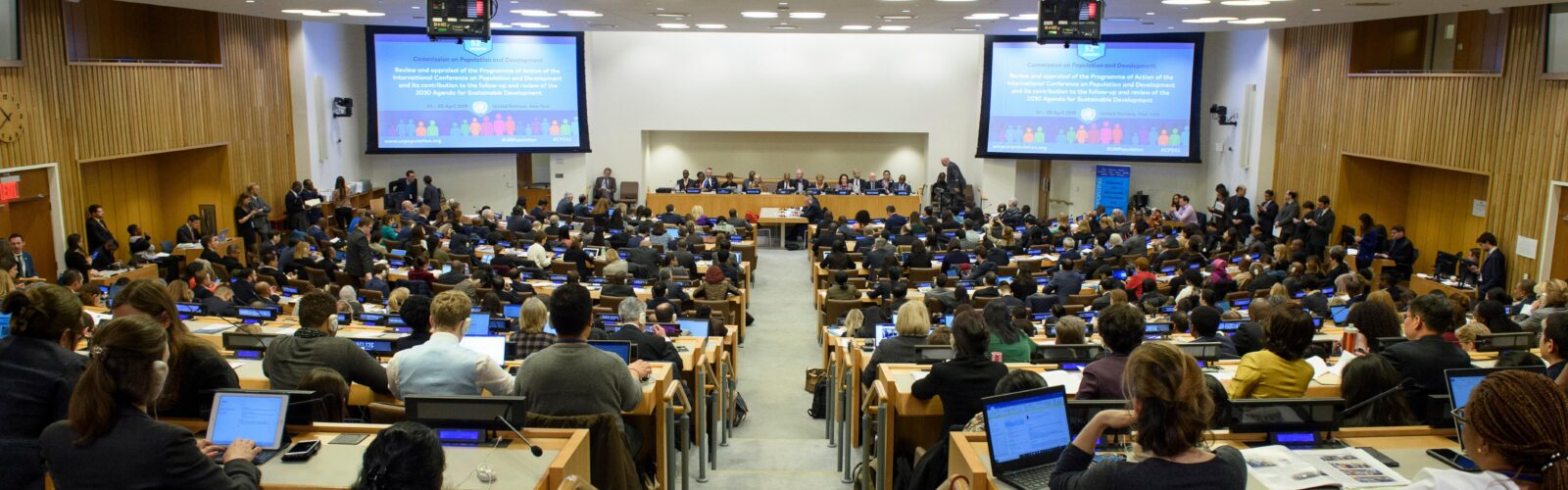
UNITED NATIONS, April 17 (C-Fam) Pro-lifers chalked up another win at the United Nations this week as the chairman of the UN Commission on Population and Development refused to put a document forward for approval. He objected to the European efforts to load up the document with abortion and gender ideology.
Ambassador Zéphyrin Maniratanga of Burundi did not present a final agreement for adoption because the draft agreement that had been negotiated in recent weeks could not be adopted unanimously.
European and other progressive governments objected to the final draft of the agreement because it did not have enough language linking sexual and reproductive health, gender, and censorship to human rights.
Maniratanga chose to withdraw the agreement rather than accommodate the progressives or propose an agreement that they would vote against. This follows the practice of UN conferences and meetings to require adoption by consensus, that is, without a single UN delegation objecting.
Maniratanga’s decision was a quiet but sharp rebuke to the European and progressive governments that, just last month, forced a vote on the agreement at the Commission on the Status of Women rather than one that would have defined what a woman is. It was the first time in the history of that commission that a vote was necessary. Europeans and their allies seemed poised to call a vote this week, too.
The Holy See expressed thanks to Ambassador Maniratanga for preserving the “practice of consensual adoption” and lamented how an “inordinate focus” on sexual and reproductive health derailed negotiations. The Holy See emphasized that language on sexual and reproductive health and reproductive rights had “always been controversial” and that it was unfair not to focus on a broader health agenda.
The Gambia, Egypt, Malaysia, Nigeria, and the United States also congratulated Maniratanga and expressed similar concerns.
Europeans and their allies vowed to continue to promote abortion, gender ideology, DEI, and censorship through UN agencies and non-governmental organizations that implement UN policy on sexual and reproductive health and gender.
A representative of Cyprus, speaking on behalf of all EU member states, said they were especially disappointed not to reaffirm commitments to “women’s and girls’ rights and sexual and reproductive health and reproductive rights.” On censorship, the EU emphasized that “for technology to be beneficial to all, it must align with human rights and uphold the principles of non-discrimination and gender equality.”
The Commission on Population and Development, which meets for one week in April every year, is the scene of ongoing debates about abortion, gender ideology, population control, and other controversial social policies. It has failed to reach an agreement in seven of the last ten sessions.
The custom of adopting agreements by unanimity at the commission and other UN conferences has been a thorn in the side of progressive governments for decades. It has repeatedly blocked controversial issues from being added to UN agreements, including express endorsement of abortion, gender ideology, and “comprehensive sexuality education.” These are all priorities for EU foreign policy.
In recent years, the EU and progressive governments have increasingly pushed the commission to discard unanimity in order to adopt resolutions by vote. This would allow them to pressure developing states and win close votes on controversial social policies.
View online at: https://c-fam.org/friday_fax/pro-lifers-win-again-at-un-conference/
© 2026 C-Fam (Center for Family & Human Rights).
Permission granted for unlimited use. Credit required.
www.c-fam.org