

UN Calls for Decriminalization of Heroin & Prostitution
UNITED NATIONS, June 26 (C-Fam) The General Assembly adopted a declaration that promotes decriminalizing drug use, prostitution, non-disclosure of HIV/AIDS status to sexual partners, sexual autonomy for children, and social acceptance of homosexual and transgender conduct.
The declaration, which will guide the UN’s HIV/AIDS response for the next five years, was adopted despite a record number of objections and abstentions.
The controversial elements in the declaration were included over objections of the Trump administration, African and Asian nations. Despite the objections, the declaration was adopted with 149 votes in favor, 8 against, 14 abstentions, and 22 absentees.
It is the second time that the UN declaration on HIV/AIDS has not been adopted unanimously. In 2021, the declaration was also put to a vote. Back then, 165 nations voted in favor and only four against. This shows how the UN’s approach to HIV/AIDS is becoming more controversial with time.
The declaration continues to endorse the approach to HIV/AIDS developed by the joint UN agency program on HIV/AIDS, UNAIDS, in cooperation with U.S. health authorities over the last thirty years, under the leadership of Anthony Fauci. This approach is centered on harm reduction. It presumes that asking individuals to adopt sexual continence and responsibility is unrealistic. It attempts to reduce the viral load of HIV/AIDS in key populations by making anti-retroviral drugs widely available, both to those infected and those who are not.
For this approach to work, all those considered to be part of “key populations” because they engage in highly risky behavior—such as drug use, prostitution, and homosexual and transgender conduct—must take expensive anti-retroviral drugs. UN agencies argue that for all members of key populations to access anti-retroviral treatment without stigma or discrimination, it is necessary to decriminalize drug use, prostitution, and non-disclosure of HIV/AIDS status to sexual partners, as well as to promote sexual autonomy for children and social acceptance of homosexual and transgender conduct.
The European Union and Western nations emphasized the importance of continuing to focus efforts on “key populations.” According to the text of the declaration, these include gay men and other men who have sex with men, transgender people, people who inject drugs, and prostitutes. They also emphasize that diagnosis, treatment, and prevention should be delivered through “community health,” which essentially means giving government funds to organizations that cater to the specific proclivities of men who have sex with men, pimps and prostitutes, transgender people, and people who inject drugs,
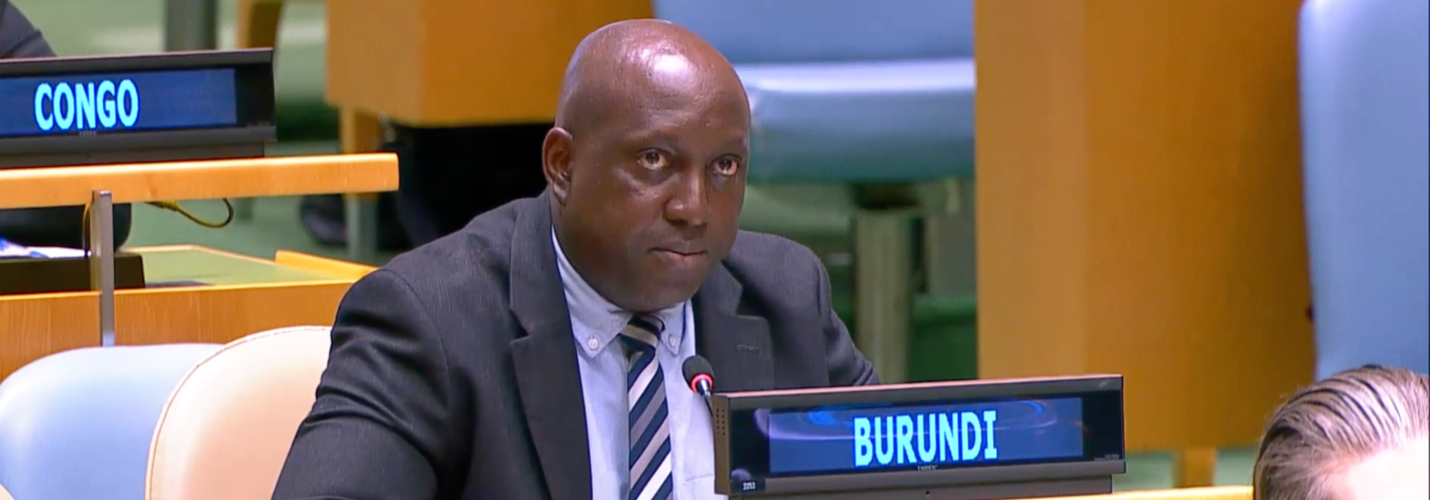
A representative of Burundi was critical of the declaration’s call for changes to laws to abolish parental and spousal consent in matters related to HIV/AIDS. He said these were a “direct attack against the institution of marriage and one of its most basic principles, namely mutual consent between the spouses.”
“This undermines trust, shared responsibility, and the values upon which families are based. It is unacceptable for international texts to promote approaches which deliberately erode the foundation of family and the family unit, which is universally recognized as the natural and foundational unit of society,” he emphasized.
“My delegation rejects in particular the multiple references to the alleged key populations with sexual and gender identity, comprehensive sexual education, as well as the sexual and reproductive health centers and reproductive rights. These are highly controversial notions. They do not reflect the agreement of all member states.”
Statements objecting to the controversial elements in the declaration were also made by Algeria, Bangladesh, Belarus, Burkina Faso, Burundi, Cameroon, Gulf nations, Egypt, Indonesia, Iran, Malawi, Malaysia, Mali, Namibia, Nicaragua, Nigeria, Paraguay, Senegal, Tanzania, Turkiye, and Uganda.
The U.S. government has donated over $100 billion over the last 20 years to UN-guided HIV/AIDS response efforts through the PEPFAR program. The U.S. Deputy Permanent Representative to the UN, Ambassador Tammy Bruce, was present at the adoption of the political declaration. She lamented that the declaration “diverges from its critical mission by including divisive topics” without taking a position on the social policies that other nations found objectionable.
View online at: https://c-fam.org/friday_fax/un-calls-for-decriminalization-of-heroin-prostitution/
© 2026 C-Fam (Center for Family & Human Rights).
Permission granted for unlimited use. Credit required.
www.c-fam.org